
Grand Challenges Scholars Program
at Arizona State University

The Grand Challenges Scholars Program (GCSP) is a globally recognized initiative endorsed by the National Academy of Engineering (NAE) that prepares engineers to tackle humanity’s most pressing challenges, including sustainability, health, security, and quality of life. Through interdisciplinary learning, research, entrepreneurship, and social engagement, GCSP equips scholars to develop solutions that are technically rigorous, socially conscious, and globally impactful.
This portfolio is a reflection of my journey through the Grand Challenges Scholars Program at Arizona State University. More than a collection of projects or achievements, it represents how my understanding of engineering has evolved — from solving technical problems to navigating complex systems shaped by people, context, and long-term impact.
Across these pages, you’ll find experiences that span engineering, leadership, entrepreneurship, and service. Each one connects back to a central question that has guided my work: how do we design solutions that are not only effective, but thoughtful, sustainable, and built for the real world?
GCSP challenged me to think beyond disciplines, to listen more closely, and to take responsibility for the systems I help create. This portfolio captures that process — not just what I’ve done, but how I’ve learned to approach the kind of problems that truly matter.
My GCSP Theme
One of Four
Security
Joy of Living
Sustainability
Health
Why Sustainability? Because the challenges we face today—climate change, resource scarcity, food insecurity, and inequitable access to energy—are not isolated technical problems but interconnected systems issues that shape how we live, grow, and survive. Sustainability extends beyond the environment to include economic sustainability, social equity, and technological resilience, all of which determine whether solutions can endure at scale. It demands long-term thinking that balances innovation with responsibility, ensuring progress does not come at the cost of future generations. For engineers and problem-solvers, sustainability is the opportunity to design solutions that are not only efficient and scalable, but ethical, resilient, and deeply human in their impact.
About Me
Some Real Context
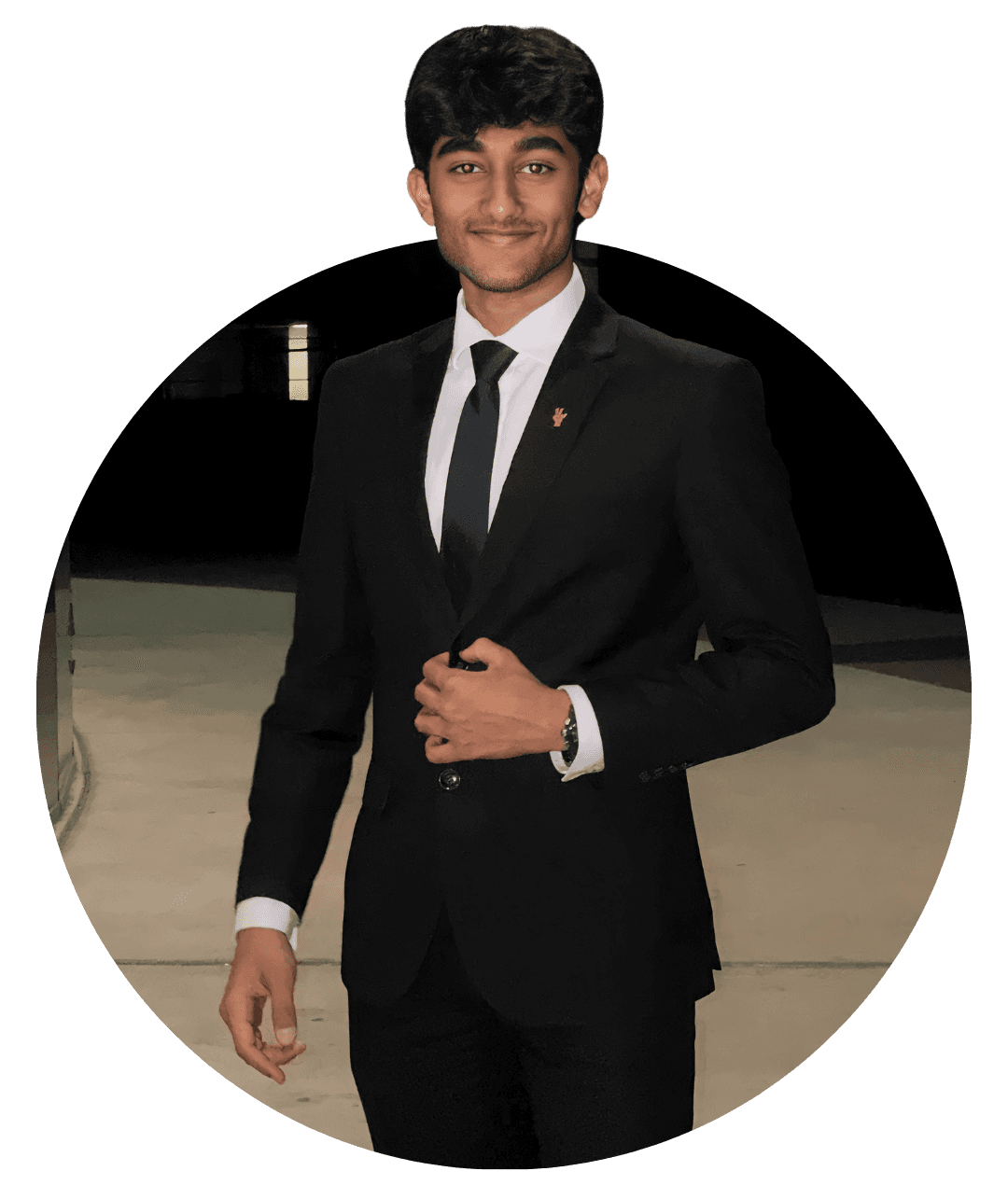
Hi, I’m Shaurya Manglik (Shaw).
I’m a Robotics Engineering student graduating in May 2026 who believes engineering only matters when it meaningfully improves people’s lives.
Born and raised in India, I came to the U.S. to study robotics, but quickly found myself drawn to problems that sit at the intersection of technology, society, and systems. I’m deeply interested in solving real-world challenges — the kind that are messy, human, and demand more than a purely technical solution. That curiosity led me to the Grand Challenges Scholars Program, where sustainability, social impact, and interdisciplinary thinking are not side notes, but the core of the work.
Alongside engineering, I’ve spent years building and leading communities. From serving as Student Body President and Director of Marketing at ASU Polytechnic to mentoring teams and advocating for student voices, I’ve learned that leadership is less about authority and more about responsibility — designing systems that last beyond the person in charge.
Outside the classroom, I’m a visual storyteller, endurance athlete, and lifelong learner. I’ve produced documentary work, flown drones as a certified pilot, trekked and cycled at high altitudes, practiced and taught yoga, and competed at the national level in karate. Whether through a camera lens, a robotics project, or a leadership role, I’m always exploring how discipline, creativity, and empathy come together to create impact.
At my core, I’m someone who enjoys building things — machines, narratives, and communities — with intention. I’m motivated by challenges that matter and driven by the belief that the best engineering is thoughtful, inclusive, and built to endure.
My Skills
Systems thinking
Leadership with Empathy
Technical Problem Solving
Visual storytelling
GCSP Competencies
Entrepreneurship
Service
Multidisciplinary
Talent
Multicultural
let's start exploring them
Viable Business/Entrepreneurship
FSE 301: Entrepreneurship and Value Creation

FSE 301 Course Experience
I completed the entrepreneurship competency through FSE 301, where I developed a venture plan focused on addressing sustainability challenges within the global food system. Over the course of the class, I worked through the end-to-end process of venture creation, including problem identification, solution design, customer discovery, competitive analysis, business modeling, and growth strategy. The course emphasized translating innovative ideas into viable, real-world businesses rather than hypothetical concepts.
Venture Overview: aahar
As part of FSE 301, I founded aahar, an integrated sustainable food technology venture aimed at transforming protein production. aahar addresses the environmental inefficiencies, ethical concerns, and health risks associated with traditional animal agriculture by exploring lab-grown meats, cultured seafood, mycelium-based proteins, and precision-fermented dairy. The venture was designed to make sustainable protein accessible without compromising taste, nutrition, or affordability.
Relation to GCSP Theme
Sustainability served as the central driver of the venture. Aahar’s model focuses on reducing land use, water consumption, and greenhouse gas emissions while improving food security and ethical outcomes. Beyond environmental sustainability, the venture also considers economic sustainability through scalable pricing models and social sustainability by responding to changing consumer values around health, transparency, and humane food systems. This directly aligns with my chosen Grand Challenges theme and the National Academy of Engineering’s vision for a more sustainable future.
Entrepreneurial Skills & Outcomes
Through FSE 301, I gained hands-on experience in applying entrepreneurial frameworks to a complex, systems-level problem. I developed skills in market research, user-centered design, financial modeling, and strategic decision-making. The course reinforced the importance of validating assumptions, understanding stakeholder incentives, and balancing innovation with feasibility, lessons that are essential when working on sustainability-driven ventures.
Value to My Academic and Professional Goals
This experience fundamentally shaped how I approach engineering and problem-solving. FSE 301 helped me understand that impactful sustainability solutions must be technically sound, economically viable, and socially accepted. The course strengthened my interest in working at the intersection of engineering, entrepreneurship, and sustainability, and it continues to influence how I evaluate projects, research opportunities, and long-term career goals within the Grand Challenges framework.
Service-Learning/Social Consciousness
[Part 1] FSE 104: EPICS Gold I (Spring 2023)
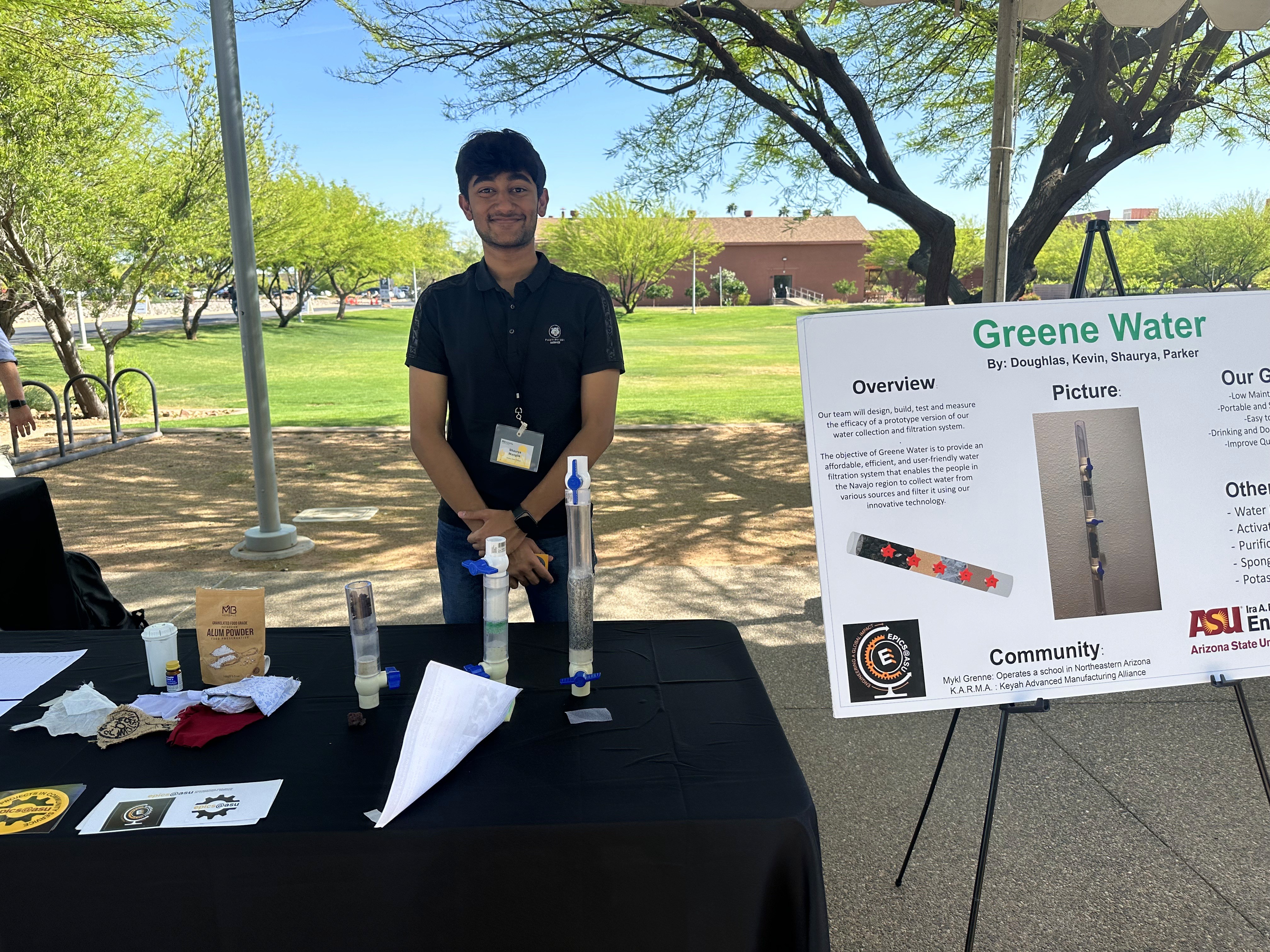
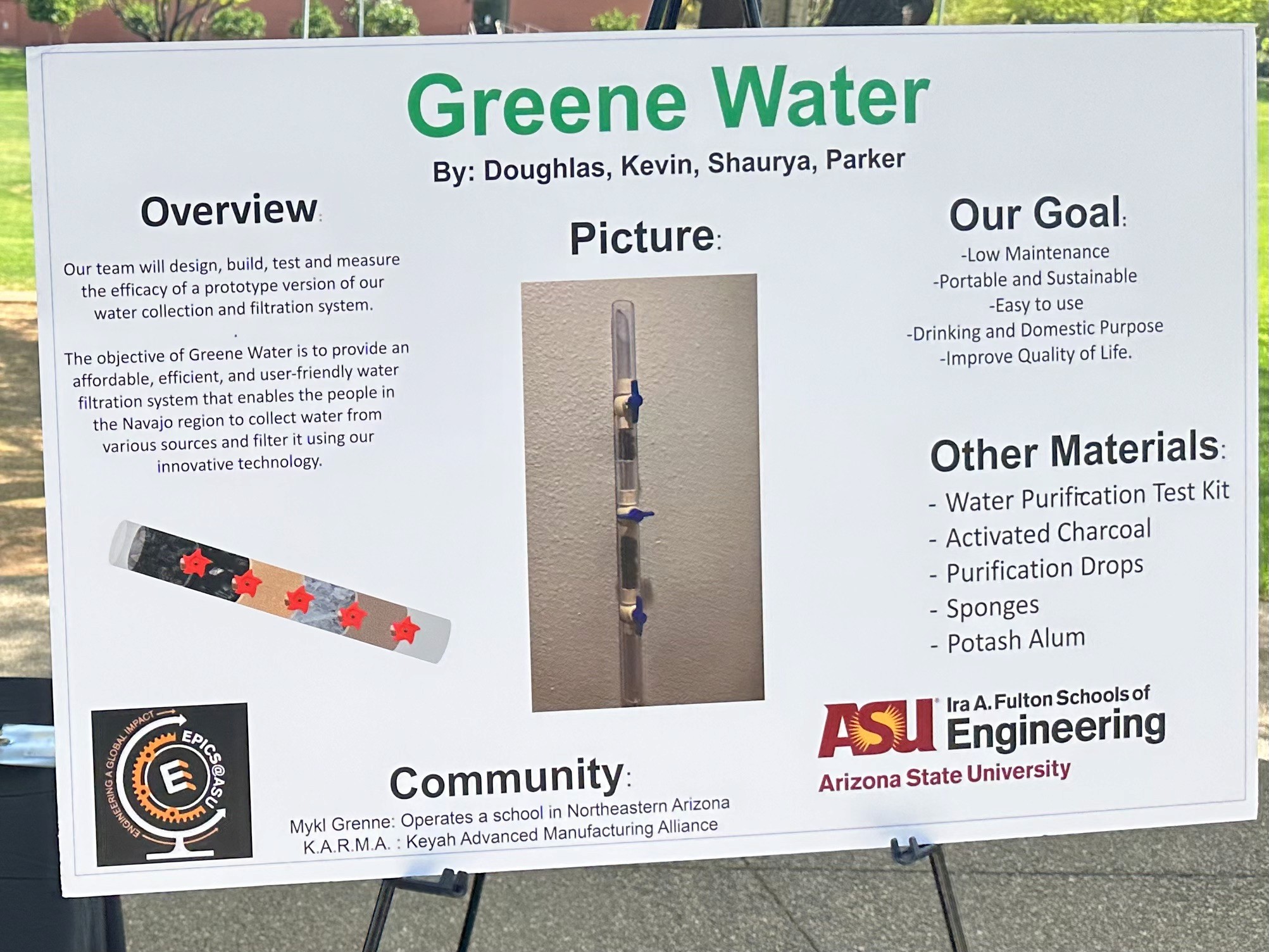
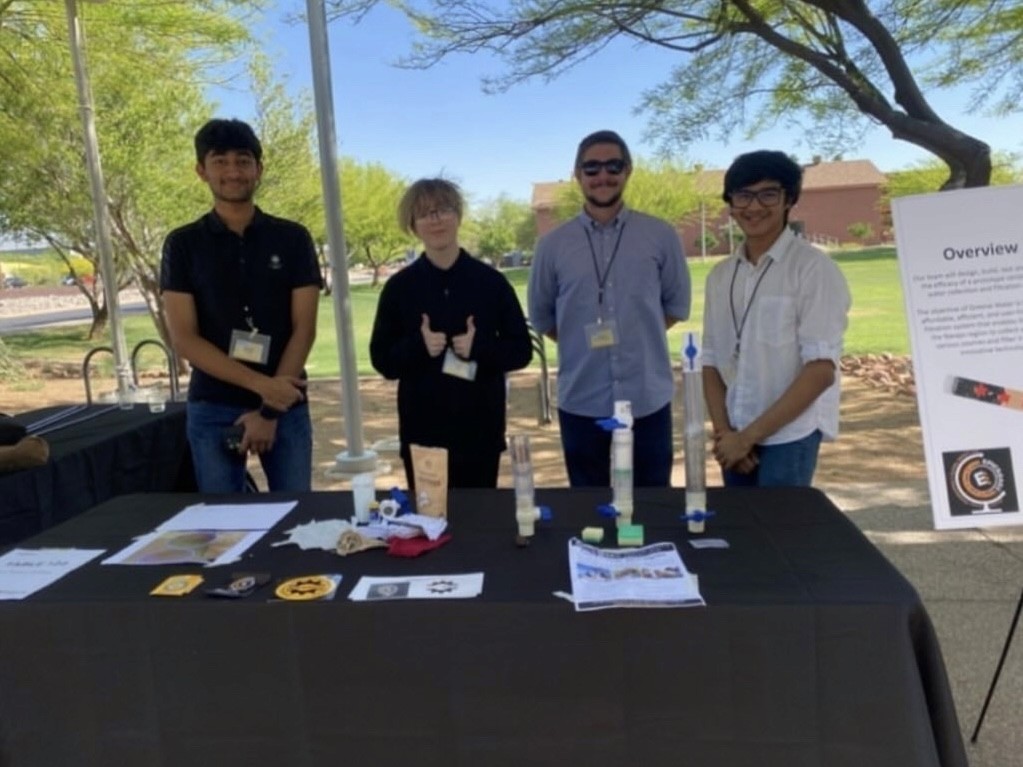

Service-Learning Experience
I completed the service-learning component of the Grand Challenges Scholars Program through FSE 104 (EPICS Gold I), where I worked on the Greene Water project in partnership with Mykl Greene and the Keyah Advanced Manufacturing Alliance (KARMA). The project focused on addressing limited access to clean water in remote Native communities in Northeastern Arizona, particularly in St. Michaels, where many households lack reliable water infrastructure.
Community Need and Social Context
Our community partner identified a critical need for low-cost, low-maintenance water collection and filtration systems that could be built using locally available materials and minimal electricity. Residents often rely on inconsistent rainfall and lack government-supplied plumbing, making water access a persistent challenge for agriculture, livestock, and daily use. The project emphasized designing solutions that respected local constraints, community practices, and long-term usability rather than introducing complex or expensive technologies.
Relation to GCSP Theme
This service-learning experience directly aligns with my GCSP theme of sustainability. The project addressed environmental sustainability by promoting responsible water use and decentralized collection methods, social sustainability by improving quality of life in underserved communities, and economic sustainability by prioritizing affordability and local repairability. Rather than relying on energy-intensive or centralized systems, the design emphasized long-term resilience and community ownership.
My Role and Contributions
As a Prototyping Lead, I contributed to concept generation, material selection, and early prototype development. Our team explored gravity-driven filtration methods using materials such as activated charcoal, potash alum, sand, gravel, and locally sourced rocks to remove debris and reduce turbidity. We iterated through multiple proof-of-concept designs, tested water quality using basic testing kits, and refined the system based on cost, ease of repair, and effectiveness. This hands-on work reinforced the importance of designing with the community rather than for it.
Value and Learning Reflection
FSE 104 reshaped my understanding of engineering as a tool for social impact. I learned that effective service-learning requires humility, listening, and iterative collaboration. Technical success alone was not enough — the solution had to be culturally appropriate, economically realistic, and adaptable over time. This experience strengthened my ability to work on sustainability challenges that exist at the intersection of engineering, infrastructure, and social equity, and it continues to influence how I approach community-centered design within the broader GCSP framework.
Service-Learning/Social Consciousness
[Part 2] HinduYUVA at Arizona State University
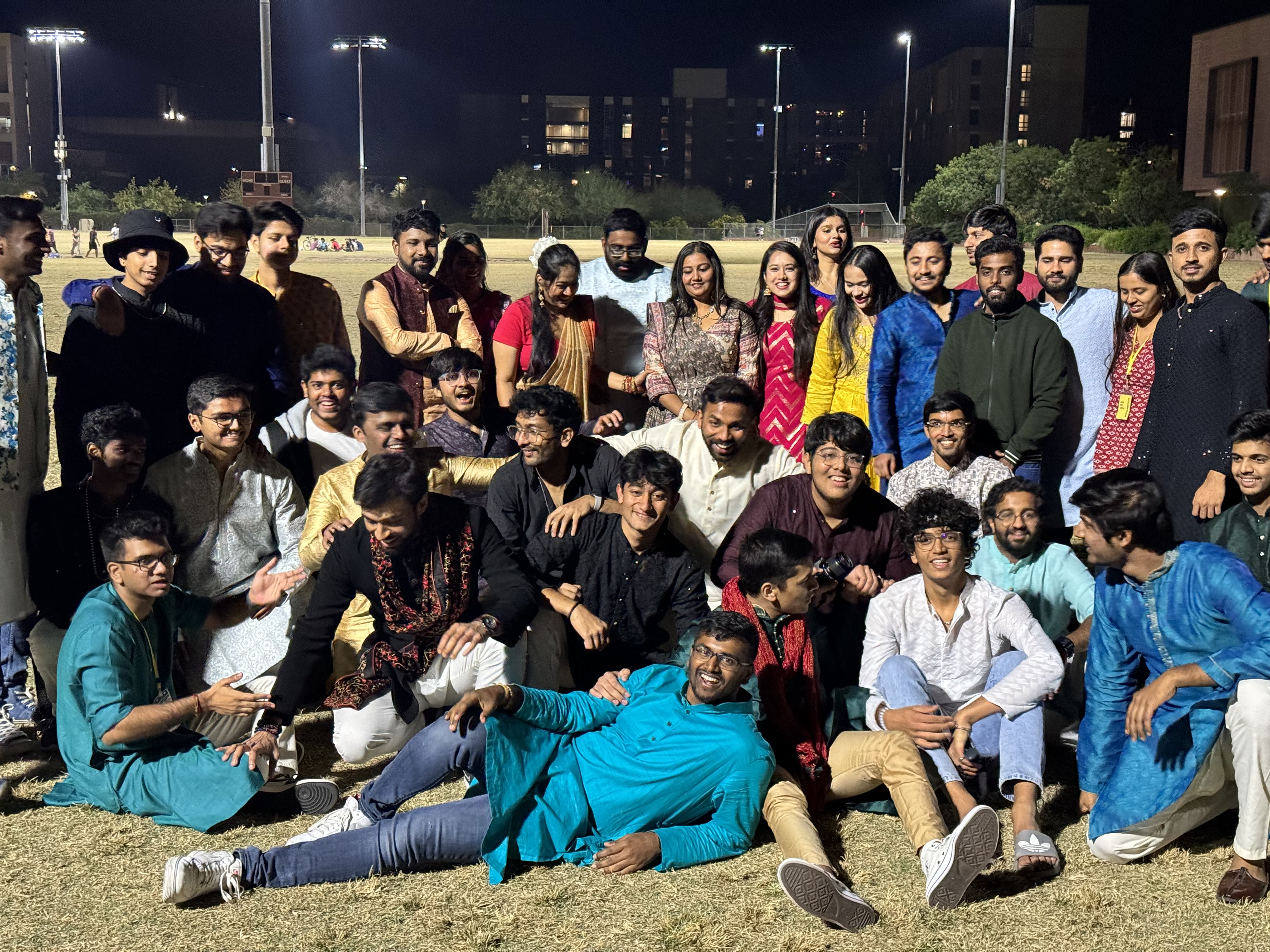
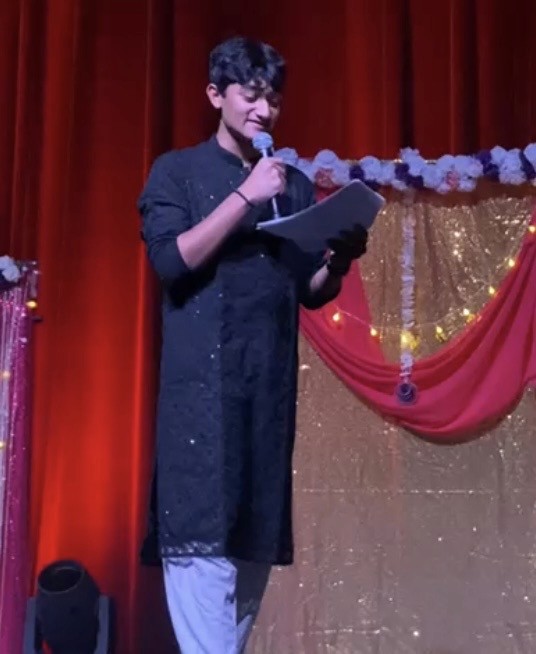
Service-Learning Experience
From Spring 2023 through Fall 2023, I volunteered 50+ hours with HinduYUVA, a student-led community organization focused on cultural preservation, student wellbeing, and social service. My work centered on organizing large-scale cultural events and providing direct support to students, particularly new and international students navigating life on campus. This experience blended leadership, logistics, and empathy, allowing me to engage in service that was both community-centered and deeply human.
Nature of Service and Responsibilities
I helped organize and execute more than ten major campus events, including Holi, Diwali, Ganesh Utsav, Ram Navami, Maha Shivratri, Navratri, and Guru Vandana. These events served hundreds of students and required coordination across budgeting, logistics, volunteer management, accessibility, safety planning, and post-event cleanup.
Beyond events, I worked directly with students through airport pickup initiatives (Swāgatam), emergency housing support, meal assistance, and ongoing peer mentorship. This involved real-time problem solving, scheduling volunteers efficiently, and responding to student needs during moments of transition or vulnerability. The service extended beyond structured events into consistent, relationship-based support.
Relation to GCSP Theme
My service with HinduYUVA allowed me to experience sustainability as a living cultural practice, rather than an abstract technical concept. I came to understand that sustainable systems are not only built through materials and energy efficiency, but through communities that can sustain identity, compassion, and mutual support over time.
Cultural celebrations such as Diwali, Holi, and Ganesh Utsav emphasized balance between humanity and nature, and we intentionally incorporated environmentally responsible practices — including reusable décor, waste reduction strategies, compostable materials, and eco-friendly alternatives. At the same time, supporting students through airport arrivals, emergency housing, and mentorship highlighted the social foundation of sustainability: care, continuity, and collective resilience.
Social Impact and Learning Reflection
This experience reshaped how I think about service and leadership. I learned that meaningful social impact often happens quietly — through showing up consistently, designing systems that reduce friction, and creating spaces where people feel seen and supported. Coordinating logistics for large events while remaining attentive to individual needs required systems thinking, adaptability, and emotional intelligence.
HinduYUVA taught me that sustainable progress depends on strong social ecosystems. Communities that invest in belonging, shared responsibility, and cultural continuity are better equipped to endure challenges and support future generations. This perspective has directly influenced how I approach sustainability within the Grand Challenges Scholars Program — not just as an engineering objective, but as a holistic commitment to people, culture, and long-term resilience.
Value to My GCSP Journey and Future Goals
This service-learning experience strengthened my ability to lead with empathy while managing complexity at scale. It reinforced my belief that engineers and leaders must understand the human context of the systems they design. The lessons I learned through HinduYUVA continue to shape how I think about sustainability, community-centered design, and the role of leadership in building solutions that truly last.
Multidisciplinary
[Part 1] FSE 150: Perspectives on Grand Challenges for Engineering (Fall 2022)
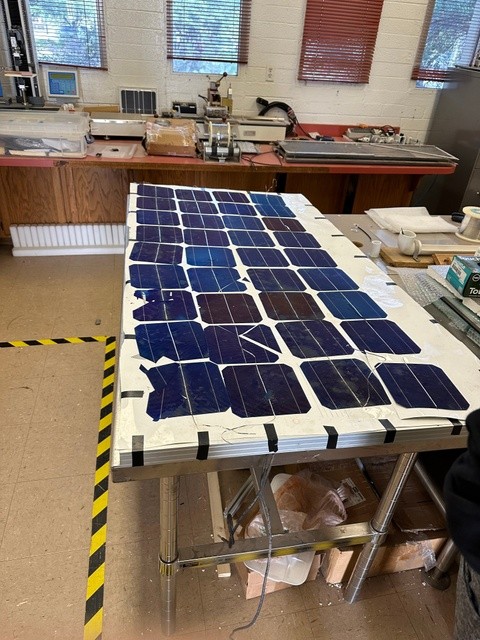
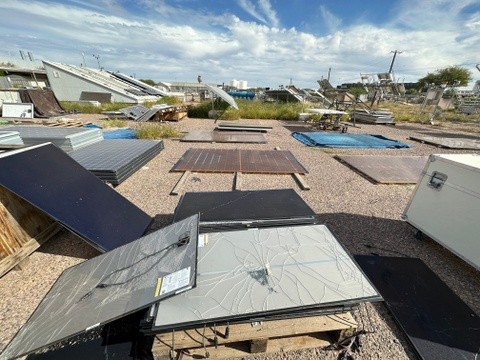
Course Experience Overview
My multidisciplinary competency began with FSE 150, an introductory Grand Challenges Scholars seminar designed to expose students to complex global problems through interdisciplinary lenses. Early in the course, we examined pressing world challenges across the four GCSP themes — Sustainability, Health, Security, and Joy of Living — and mapped how these issues intersect rather than exist in isolation. One of the first activities involved collaboratively brainstorming global problems and building mind maps that connected technical solutions with social, economic, and ethical considerations. This framing shaped how I approached the rest of the course and clarified the purpose of GCSP as a whole.
Throughout the semester, the course combined classroom discussions, experiential learning, and project-based exploration. We visited laboratories and technology centers that demonstrated how engineering research translates into real-world applications. A particularly impactful experience was our visit to a photovoltaics research lab, where we examined how solar panels are designed, manufactured, tested, and aged. Seeing the technical challenges of efficiency loss, material degradation, and long-term reliability alongside sustainability goals gave me a broader, systems-level understanding of renewable energy beyond theory.
Key Projects and Interdisciplinary Work
As part of FSE 150, I completed both an individual research project and a team-based design project, each emphasizing multidisciplinary thinking.
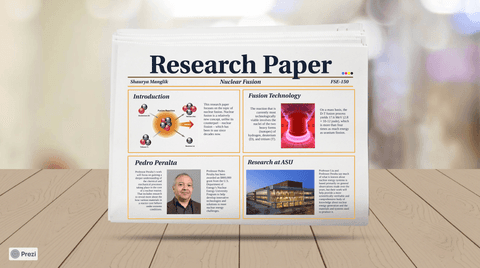
My individual research focused on nuclear fusion as a clean energy source. This project required integrating concepts from physics, engineering, environmental science, and public policy to understand fusion’s technical potential and societal implications. Researching and presenting this topic helped me move beyond surface-level enthusiasm for clean energy and instead appreciate the scientific, infrastructural, and economic barriers that must be addressed before fusion can become viable at scale.
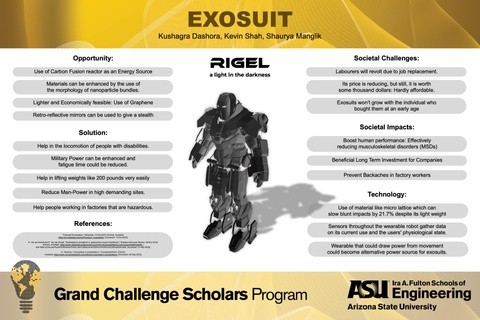
In parallel, my team project explored the concept of multi-functional exosuits. This work combined mechanical engineering, robotics, human health, ergonomics, and ethics to envision a system that could support medical rehabilitation, industrial labor, and human augmentation. While some features remain aspirational due to current technological limitations, the project emphasized speculative yet grounded design thinking. We presented this work at the ASU Innovation Showcase, engaging with a broader audience and receiving interdisciplinary feedback.
Relation to GCSP Theme
FSE 150 directly supported my GCSP theme of Sustainability by emphasizing that sustainable solutions are inherently interdisciplinary. The course highlighted how renewable energy systems, emerging technologies, and human wellbeing are deeply interconnected. Experiences like the photovoltaics lab visit and nuclear fusion research demonstrated that sustainability requires collaboration across engineering disciplines, policy frameworks, economic models, and social acceptance. This reinforced my understanding that long-term solutions must balance technical innovation with real-world constraints and human impact.
Value of the Course and Reflection
FSE 150 played a pivotal role in shaping my academic direction and commitment to the Grand Challenges Scholars Program. It helped me develop a structured way of thinking about complex problems — not as isolated engineering tasks, but as interconnected systems involving people, technology, and the environment. The course also emphasized personal wellbeing through activities such as yoga and therapy sessions, reinforcing the idea that sustainable progress begins with balanced individuals capable of thoughtful decision-making.
This experience was instrumental in my decision to fully engage with GCSP. It provided clarity, purpose, and a multidisciplinary foundation that continues to inform my coursework, service-learning, and entrepreneurial projects. FSE 150 taught me that making the world better is not a singular technical pursuit, but a collective, interdisciplinary effort grounded in curiosity, empathy, and long-term thinking.
Multidisciplinary
[Part 2] Student Body President at Arizona State University
Experience Overview
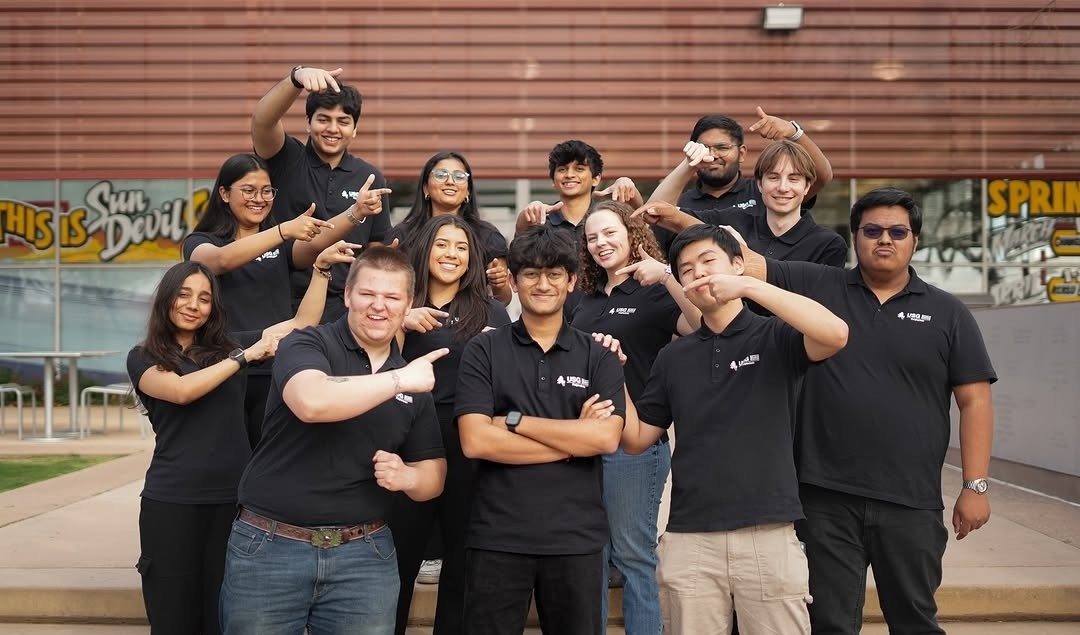
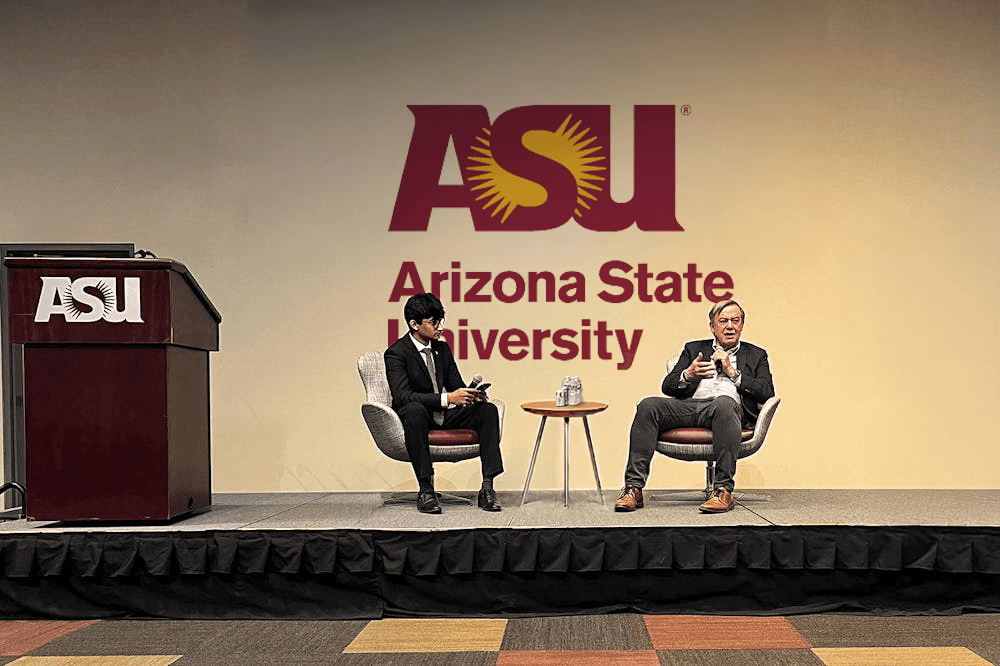
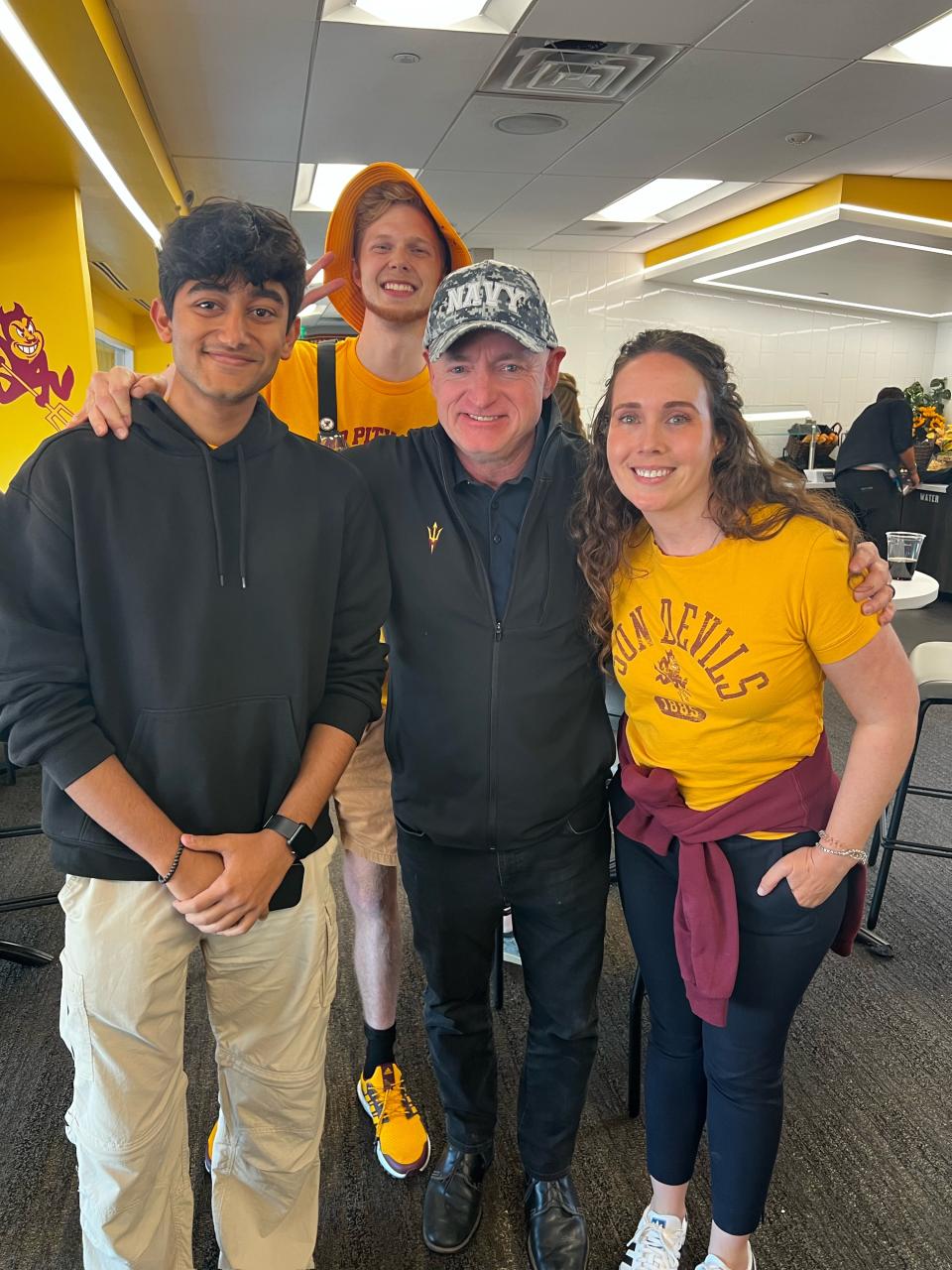
My second multidisciplinary requirement was fulfilled through my experience as Student Body President at ASU Polytechnic, an intensive leadership role involving well over 75–150 hours of sustained engagement across multiple semesters. While my academic training is in engineering, this role required me to operate primarily outside of technical engineering duties, working instead at the intersection of finance, policy, governance, human behavior, organizational leadership, and ethics.
As Student Body President, I represented the student body in institutional decision-making spaces and led a multidisciplinary executive team. My responsibilities included strategic planning, stakeholder coordination, conflict resolution, public communication, and long-term systems design for student governance. This role demanded constant engagement with administrators, faculty, students, and external partners, requiring me to understand and balance diverse perspectives while working within real-world constraints.
Financial Management and Strategic Integration
A core component of this experience was financial management. I was responsible for overseeing and allocating a $1.1M+ budget, making funding decisions that directly impacted student programs, campus infrastructure, wellness initiatives, and sustainability efforts. This required applying economic reasoning, risk assessment, prioritization frameworks, and accountability mechanisms — skills typically associated with business, public administration, and policy rather than engineering coursework.
Managing these resources taught me how financial systems influence long-term sustainability. Budgeting was not just about numbers, but about understanding tradeoffs, anticipating downstream effects, and designing funding structures that could endure beyond a single term of leadership.
Relation to GCSP Theme
This interdisciplinary experience directly supports my GCSP theme of Sustainability by reinforcing that sustainable systems are as much social and economic as they are environmental. Through governance and financial stewardship, I learned how sustainable progress depends on transparent decision-making, inclusive leadership, and policies that can adapt over time.
By designing initiatives that prioritized long-term impact rather than short-term wins, and by building structures meant to outlast individual leadership terms, I applied sustainability as a guiding principle in organizational design. This perspective complements my technical interest in sustainable engineering by grounding it in real-world institutional and human systems.
Interdisciplinary Learning
This experience exposed me to disciplines rarely addressed in traditional engineering curricula, including:
Public policy and governance, through drafting, interpreting, and enforcing bylaws and procedural frameworks
Human behavior and organizational dynamics, through team leadership, mediation, and community engagement
Ethics and equity, through decisions affecting access, representation, and student wellbeing
Communication and narrative framing, through public addresses, advocacy, and cross-campus collaboration
Each of these elements required me to think systemically, recognizing that technical solutions alone are insufficient without social, institutional, and behavioral alignment.
Value to My GCSP Journey and Future Goals
Serving as Student Body President fundamentally shaped how I approach engineering and problem-solving. It strengthened my ability to operate across disciplines, communicate with non-technical stakeholders, and design solutions within complex institutional environments. This experience has directly informed my work in entrepreneurship, service-learning, and sustainability-focused projects by reinforcing the importance of feasibility, ethics, and human-centered design.
More broadly, it prepared me to work at the overlap of engineering, policy, and leadership, equipping me with an interdisciplinary mindset essential for addressing the Grand Challenges. This experience complements FSE 150 by translating multidisciplinary theory into lived practice, and it continues to influence my academic and professional trajectory.
Talent
Capstone Project – DASH (Data Analysis & Speed Hub) with Reyes Coca-Cola Bottling

Project Overview and Mentorship
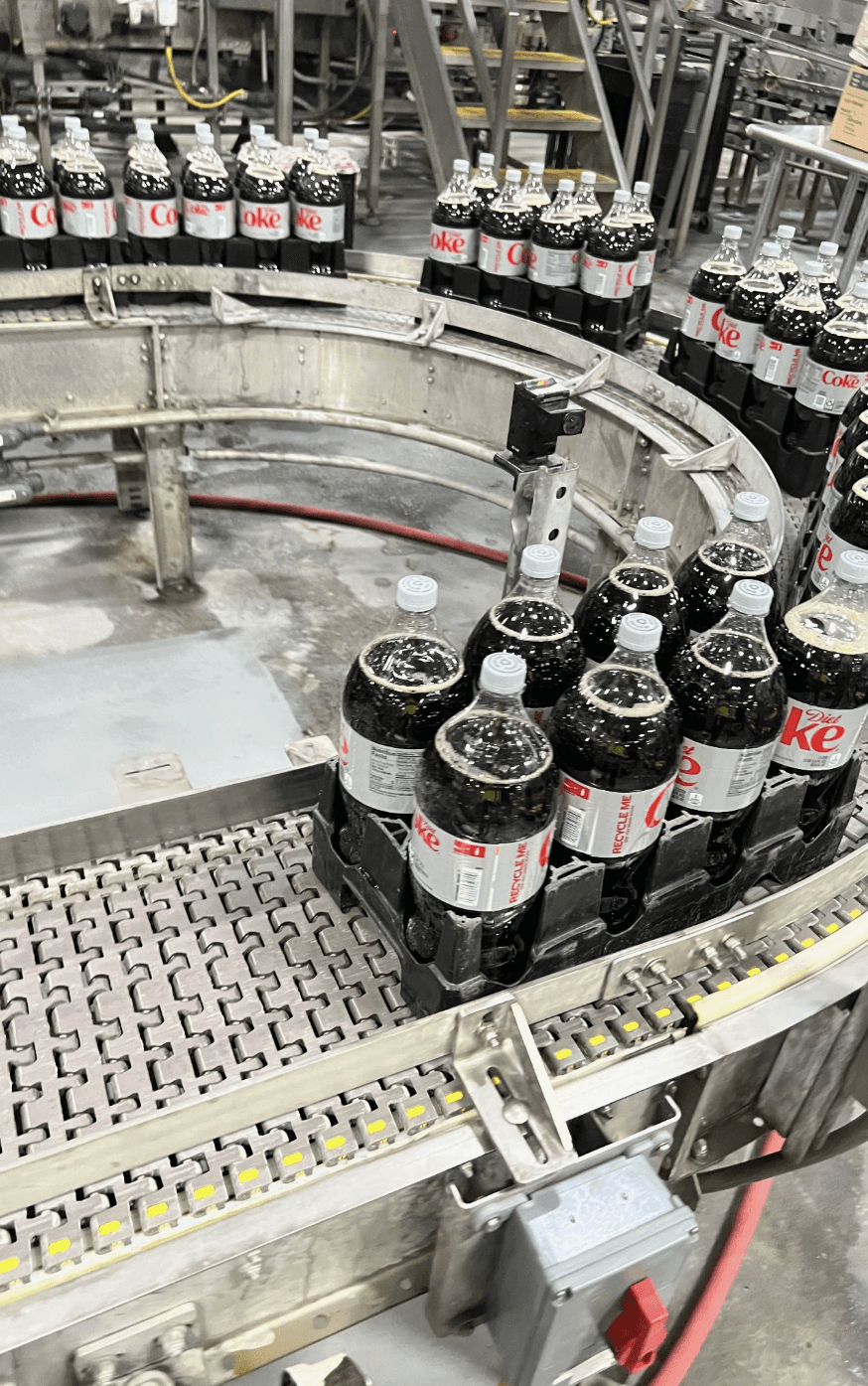
I completed my Talent competency through a two-semester senior capstone project (EGR 401/402) titled DASH – Data Analysis & Speed Hub, conducted in partnership with Reyes Coca-Cola Bottling (RCCB). This project was a mentored, industry-sponsored engineering design experience, guided by faculty advisors from the Ira A. Fulton Schools of Engineering and industry mentors at RCCB, including engineers working in automation, operations technology, and cybersecurity .
Over the course of two semesters (well exceeding the 150+ hour requirement), my team and I designed and validated a battery-powered, IP67-rated conveyor speed monitoring device intended for deployment on RCCB’s production lines. The project addressed a real operational challenge faced by large-scale bottling facilities: the lack of scalable, low-power, wireless conveyor monitoring solutions capable of supporting predictive maintenance.
Introduction and Background
Reyes Coca-Cola Bottling operates 36 production lines producing over 325 million cases annually, where conveyor reliability is critical to efficiency and uptime. Existing monitoring solutions are often limited by hardwired power, continuous energy draw, and maintenance complexity, making large-scale deployment difficult. Conveyor failures contribute to unplanned downtime, wasted energy, and increased operational costs.
The goal of DASH was to design a self-contained, wireless sensing system that could monitor conveyor speed accurately while minimizing power consumption and maintenance burden. By enabling predictive maintenance and early fault detection, the system supports more sustainable industrial operations through reduced downtime, energy waste, and material loss.
Methodology
Our design process combined engineering analysis, prototyping, and iterative validation:
Sensing and Data Acquisition: Evaluated time-of-flight (ToF) infrared sensors and mmWave radar options to determine feasibility for non-contact conveyor speed measurement. Conducted field-of-view and beam-spread analyses to minimize noise and misalignment error.
Power Modeling: Built analytical battery-life models accounting for sleep current, active sensing, and Wi-Fi transmission bursts, targeting a minimum one-month battery life.
Embedded Systems Design: Implemented low-power firmware architectures using deep-sleep modes and optimized MQTT publish intervals to balance data resolution and energy consumption.
Mechanical and Environmental Design: Designed enclosure concepts meeting IP67 ingress protection, addressing sealing, condensation risk, and mounting geometry.
Testing Infrastructure: Built a desktop conveyor simulator to validate sensing assumptions, belt texture effects, and system repeatability before full-scale deployment.
These methods allowed us to validate feasibility before committing to a final prototype and provided structured risk mitigation throughout the design process .
Value and Reflection
DASH was the most technically rigorous and professionally formative project of my undergraduate experience. It allowed me to apply robotics, embedded systems, sensing, data analysis, and systems engineering to a real-world industrial problem while working under realistic constraints imposed by safety, reliability, and scalability. The experience strengthened my ability to design engineering solutions that balance performance with sustainability and economic feasibility.
This project also connects strongly with my other GCSP experiences — from entrepreneurship and service-learning to leadership — by reinforcing that meaningful impact emerges when technical excellence is paired with systems thinking and long-term responsibility. The skills and mindset developed through DASH directly inform my academic interests and professional goal of building sustainable, intelligent engineering systems.
Results and Outcomes
By the interim design phase, our team achieved several key outcomes:
Demonstrated feasibility of non-contact conveyor speed sensing using ToF-based approaches under controlled conditions.
Established power-performance tradeoffs and identified optimal data transmission intervals for long battery life.
Developed a modular system architecture compatible with different conveyor geometries and deployment constraints.
Produced a working prototype and testing framework suitable for evaluation at the Reyes Innovation Lab in Los Angeles.
The system is designed to support predictive maintenance, reduce unplanned downtime, and lower long-term maintenance costs for RCCB while enabling scalable deployment across facilities .
Relation to GCSP Theme
This project directly aligns with my Grand Challenges theme of Sustainability. By improving conveyor reliability and enabling predictive maintenance, DASH reduces energy waste, material loss, and unnecessary equipment replacement in high-throughput industrial environments. The emphasis on low-power electronics, wireless scalability, and long-term durability reflects sustainable engineering principles that prioritize efficiency, resilience, and lifecycle impact rather than short-term performance alone.
CHECK OUT THE PROJECT OVERVIEW REPORT
Multicultural
[Part 1] HON 171: The Human Event (Fall 2023)

Course Experience Overview
I fulfilled the first part of my Multicultural Competency through HON 171: The Human Event, a Barrett Honors College seminar that explores landmarks in the social, philosophical, and intellectual development of humanity across cultures and historical contexts. The course emphasized critical reading, comparative analysis, and argumentative writing, requiring sustained engagement with texts from diverse civilizations, belief systems, and moral traditions.
Through this course, I examined how different cultures have grappled with foundational questions of existence, duty, power, ethics, gender, divinity, and human responsibility. Rather than studying cultures in isolation, HON 171 required us to analyze texts in conversation with one another, identifying both cultural specificity and shared human concerns. This approach helped me develop a deeper appreciation for how cultural context shapes values, decision-making, and worldviews.
Meaningful Assignments and Multicultural Analysis
A central component of HON 171 was producing analytical essays that compared texts from different cultural and historical traditions. One such paper examined creation myths from African oral traditions alongside the Rig Veda, analyzing how each culture uses cosmological narratives to define identity, morality, and humanity’s relationship with the divine. This work highlighted how cultural origin stories function as moral and social frameworks rather than simple explanations of the natural world.
In another major paper, I compared The Exaltation of Inana and The Epic of Gilgamesh, focusing on divine intervention, human ambition, and the universal pursuit of meaning across ancient Mesopotamian cultures. This analysis reinforced how different societies articulate similar existential concerns through culturally distinct symbols, gods, and narratives.
I also explored gender, power, and societal norms through a comparative analysis of Francis Bacon’s Novum Organum and Rokeya Sakhawat Hossain’s Sultana’s Dream, examining how cultural discourse shapes acceptable behavior and reinforces or challenges inequality. This assignment deepened my understanding of how cultural assumptions influence social systems and technological progress.
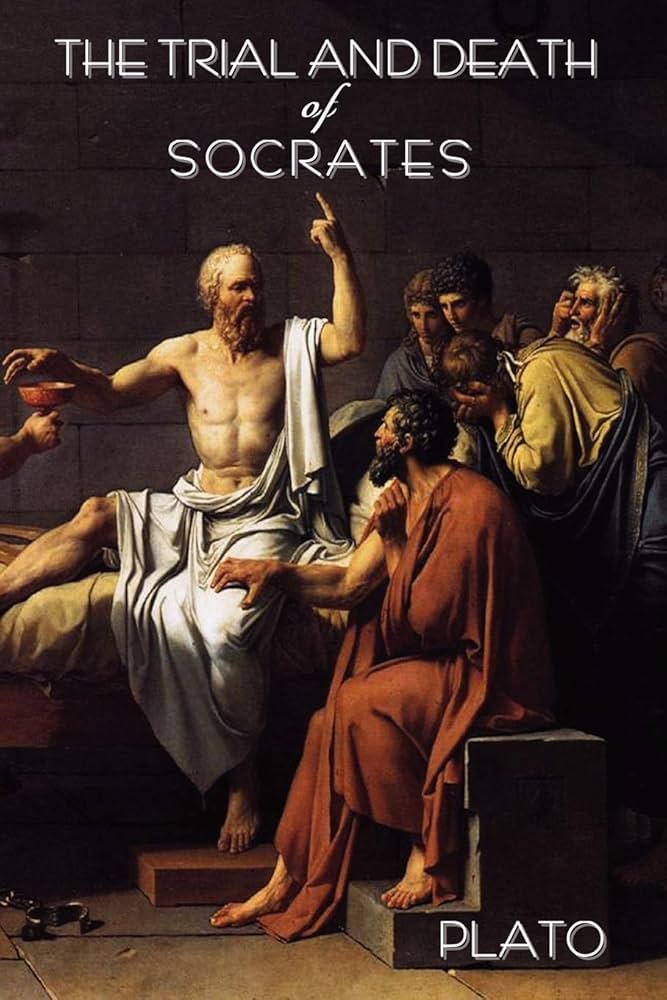
Finally, I analyzed The Bhagavad Gita alongside Plato’s Trial and Death of Socrates, examining how different cultures approach the tension between civic duty and personal ethics. This work revealed how moral dilemmas transcend geography and time, while still being deeply shaped by cultural values.
Relation to GCSP Theme
HON 171 contributed to my Grand Challenges theme of Sustainability by expanding my understanding of sustainability beyond environmental metrics. The course demonstrated that sustainable solutions must be culturally grounded and ethically informed to endure. By studying how societies across history have defined responsibility, balance, and duty, I learned that long-term progress depends on aligning innovation with cultural values and human meaning.
This perspective is critical for sustainable engineering, where technical solutions must be accepted, trusted, and maintained by the communities they serve. HON 171 provided the cultural literacy necessary to consider how sustainability initiatives may be interpreted differently across societies.
Value of the Course and Reflection
HON 171 fundamentally shaped how I think about global challenges. It trained me to approach problems with humility, recognizing that engineering decisions exist within cultural, ethical, and historical frameworks. The course strengthened my ability to engage thoughtfully with perspectives different from my own — a skill that directly informs my leadership roles, service-learning work, and sustainability-focused engineering projects.
This experience complements my technical training by ensuring that the systems I design are not only efficient, but culturally aware and socially responsible. HON 171 laid the foundation for my multicultural awareness within GCSP and continues to influence how I evaluate the global impact and cultural acceptance of engineering solutions.
Multicultural
[Part 2] STS 330: Information Technology and Artificial Intelligence (Summer 2025)
Course Experience Overview
I completed the second part of my Multicultural Competency through STS 330: Information Technology and Artificial Intelligence, an upper-division course examining how advances in computing and AI intersect with human systems, power structures, culture, and global inequality. Rather than focusing on AI as a purely technical artifact, the course emphasized that technology is socially constructed, culturally embedded, and shaped by the values of those who design and govern it.
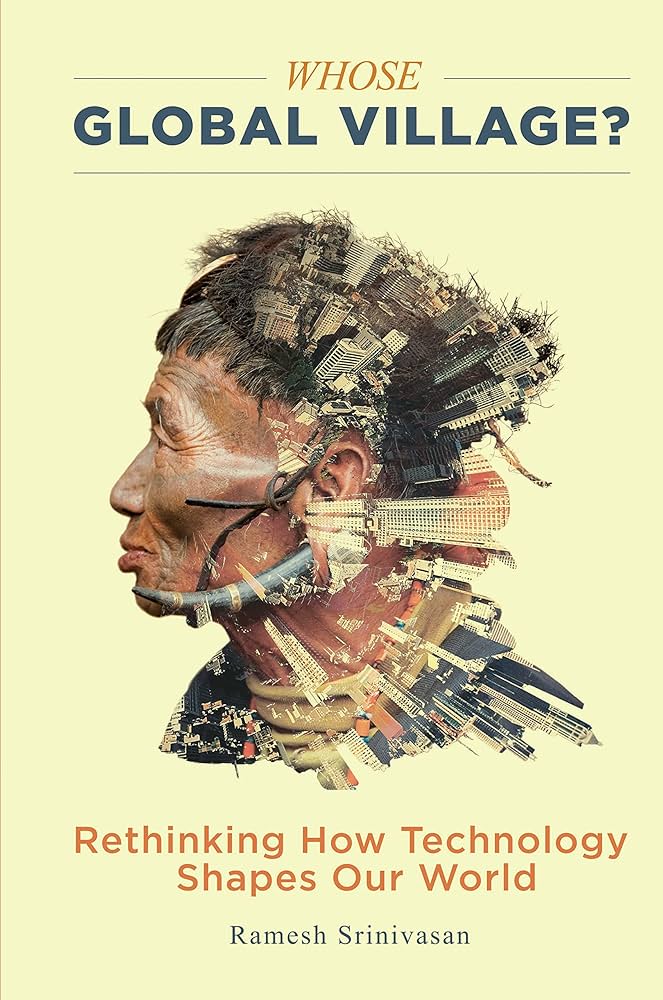
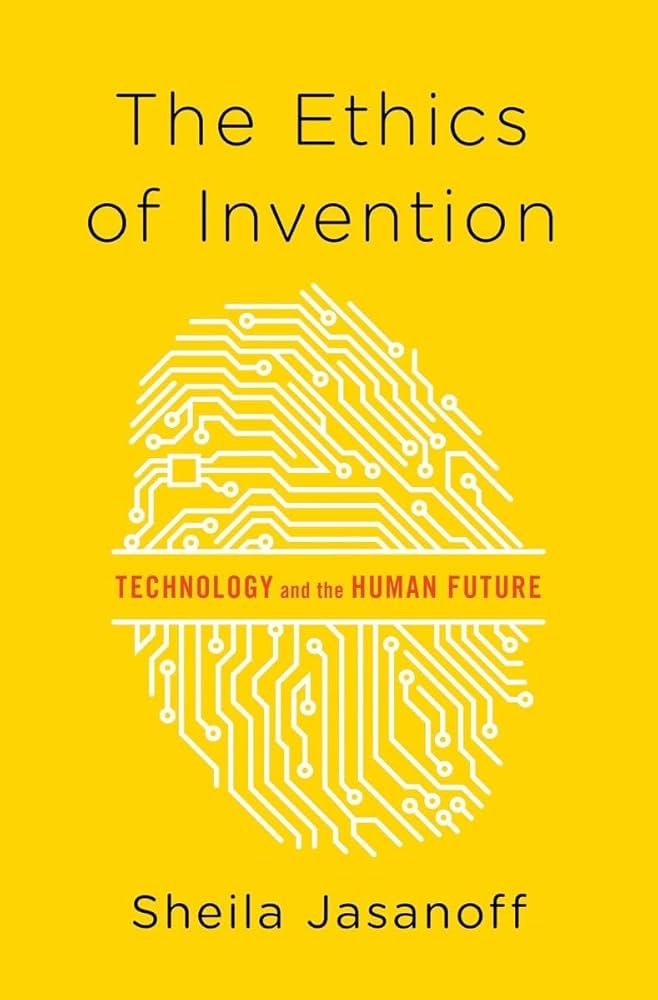
Throughout the course, I engaged with scholarship by thinkers such as Sheila Jasanoff, Richard Baldwin, Ramesh Srinivasan, Shannon Vallor, Ruha Benjamin, and Hsu et al., analyzing how AI and digital systems disproportionately impact marginalized communities across the Global South and within underrepresented populations. The course required sustained critical writing, comparative analysis, and reflective synthesis to understand technology as a global, cultural force rather than a neutral tool.
Meaningful Assignments and Multicultural Analysis
A central component of STS 330 involved written comprehension checks and reflective comparisons that required articulating my own analysis before engaging with AI-generated responses. In these assignments, I examined how dominant innovation narratives — such as technological inevitability, technocracy, and unintended consequences — often shift the burden of harm onto marginalized groups while protecting elite decision-makers. My reflections emphasized the role of lived experience, power, and accountability in shaping technological outcomes.
Another major focus of the course was the global labor and cultural impact of AI, particularly through Baldwin’s concept of the Globotics Upheaval. I analyzed how telepresence and automation disproportionately affect workers in both high-income and low-income countries, reframing AI not as a productivity tool but as a force reshaping global economic hierarchies.
The culminating STS 330 Synthesis Paper allowed me to integrate these ideas into a cohesive argument: that technology is never neutral and that ethical AI requires redistributing power, not merely refining algorithms. Drawing on Community Citizen Science (CCS) models, I explored how culturally grounded, participatory approaches to AI design can help ensure technology serves public good rather than elite interests.
Relation to GCSP Theme
STS 330 directly supports my Grand Challenges theme of Sustainability by reframing sustainability as a social and cultural challenge, not just an environmental or technical one. The course demonstrated that unsustainable systems often persist not because of technical failure, but because they reinforce existing power imbalances and cultural assumptions.
By examining AI governance, global labor displacement, and community-centered technology design, I learned that sustainable innovation must account for cultural acceptance, equity, and long-term social resilience. These insights are critical when designing engineering solutions intended for global deployment, where cultural misalignment can undermine even the most technically sound systems.
Value and Reflection
STS 330 fundamentally changed how I think about engineering responsibility. It sharpened my ability to question who benefits from innovation, who bears its risks, and whose voices are excluded from design processes. This course complements my technical work in robotics and sustainability by ensuring that the systems I build are informed by ethical reflection and global awareness.
The course also strengthened my leadership and service-learning work by reinforcing the importance of listening to communities rather than designing for them in abstraction. Together with HON 171, STS 330 completes my Multicultural Competency by providing both historical-cultural grounding and contemporary global analysis. These experiences continue to shape my academic goals and my aspiration to develop technologies that are not only efficient and intelligent, but culturally conscious, inclusive, and sustainable by design.
Becoming a Grand Challenges Scholar
My Overall Reflection on GCSP
Becoming a Grand Challenges Scholar shaped how I understand engineering, leadership, and responsibility in a global context. Rather than treating sustainability as a single technical objective, the GCSP experience taught me to see it as a systems challenge — one that spans technology, culture, economics, ethics, and human behavior. Through the five competencies, I developed the ability to design solutions that are not only functional, but resilient, inclusive, and grounded in real-world impact.
Achieving the Five GCSP Competencies
Talent (Research and Creative Project Experience):
My senior capstone project, DASH (Data Analysis & Speed Hub) with Reyes Coca-Cola Bottling, anchored my technical development. Over two semesters, I applied sensing, embedded systems, data analytics, and power modeling to design a low-power, scalable conveyor monitoring system that supports predictive maintenance and reduces operational waste. This project demonstrated how sustainability can be embedded directly into industrial systems through efficiency, reliability, and lifecycle-aware design.
Multidisciplinary Competency:
Through FSE 150 and my experience as Student Body President, I developed an interdisciplinary perspective that integrates engineering with policy, finance, organizational leadership, and human systems. FSE 150 introduced me to global challenges across sustainability, health, security, and joy of living, while my presidency required managing a $1.1M+ budget, leading cross-functional teams, and making decisions that balanced technical feasibility with social impact. Together, these experiences reinforced that sustainable solutions require collaboration beyond engineering disciplines.
Entrepreneurship Competency:
In FSE 301, I explored sustainability through venture creation, learning how environmental and social goals must align with economic viability to scale impact. Developing a venture plan required customer discovery, feasibility analysis, and systems-level thinking — skills that complement my technical work by ensuring that sustainable technologies can be realistically adopted and maintained.
Multicultural Competency:
My multicultural awareness was shaped by HON 171 (The Human Event) and STS 330 (Information Technology and Artificial Intelligence). HON 171 grounded me in historical and cultural perspectives on ethics, duty, and human responsibility, while STS 330 challenged me to examine how modern technologies like AI reinforce or disrupt global power structures. These courses emphasized that sustainability depends on cultural acceptance and ethical governance, not just innovation.
Social Consciousness and Service Learning:
Through EPICS Gold I (FSE 104) and my service with HinduYUVA, I experienced sustainability as a lived community practice. Whether working on a clean-water project or supporting international students through cultural programming and emergency assistance, I learned that long-term progress depends on social resilience, empathy, and collective care. These experiences reinforced the human foundation of sustainable engineering.
Connectivity Across Themes
What makes GCSP meaningful is not any single experience, but the connectivity across all five competencies. The technical rigor of my capstone informed my entrepreneurial thinking. My leadership and service experiences grounded my engineering work in empathy and real community needs. My multicultural coursework shaped how I evaluate the global and ethical implications of technology. Together, these experiences formed a coherent approach to sustainability — one that integrates technical excellence, cultural awareness, economic viability, and social responsibility.
Value and Preparation for the Future
GCSP prepared me to approach engineering challenges with a systems mindset and a long-term perspective. It strengthened my ability to collaborate across disciplines, communicate with diverse stakeholders, and design solutions that endure beyond deployment. These skills directly support my future career goals in robotics, sustainable technology, and leadership roles where engineering decisions have societal consequences.
Overall Reflection
The Grand Challenges Scholars Program fundamentally changed how I understand what it means to be an engineer. When I entered GCSP, I thought of sustainability primarily as a technical problem — something to be solved through better materials, smarter systems, or more efficient algorithms. What GCSP taught me instead is that the hardest challenges are not technical alone; they are human, cultural, and systemic. Engineering, at its best, is not about optimizing isolated components, but about stewarding complex systems that include people, values, histories, and consequences.
GCSP forced me to slow down and widen my perspective. Through its emphasis on interdisciplinary thinking, cultural awareness, entrepreneurship, and service, the program consistently asked a question that traditional engineering education often overlooks: Who does this solution serve, and at what cost? I learned that even the most elegant technical solution can fail if it ignores social context, power dynamics, or cultural acceptance. Sustainability, in this sense, became less about permanence and more about responsibility — designing in ways that respect limits, listen to communities, and anticipate long-term impact.
One of the most valuable outcomes of GCSP was learning to sit with uncertainty. Many global challenges do not have clean solutions or clear endpoints. GCSP helped me become comfortable navigating ambiguity, making informed decisions with incomplete data, and balancing competing priorities without defaulting to purely technical answers. This shift has deeply influenced how I approach engineering design, leadership, and problem-solving.
GCSP also reinforced the importance of humility in innovation. Exposure to diverse perspectives — across disciplines, cultures, and lived experiences — made it clear that meaningful progress rarely comes from imposing solutions, but from co-creating them. I learned to treat communities not as end users, but as partners; not as constraints, but as sources of insight. This mindset has reshaped how I think about leadership and how I hope to practice engineering in the future.
Ultimately, GCSP did more than prepare me for a career — it reshaped my sense of purpose. It helped me see engineering as a moral practice as much as a technical one, and sustainability as a commitment to future generations rather than a checkbox or metric. I leave the program not just better equipped with skills and experiences, but with a clearer sense of responsibility for how those skills are used.
The Grand Challenges Scholars Program challenged me to grow beyond my discipline, beyond my comfort zone, and beyond short-term thinking. For that, it has been one of the most defining experiences of my undergraduate journey — and one that will continue to guide how I design, lead, and contribute long after graduation.


Other Things You Can Do While You Are Here
Click around!

© 2026 Made by Shaurya Manglik